
Wars: Who Really Signed Up for This?
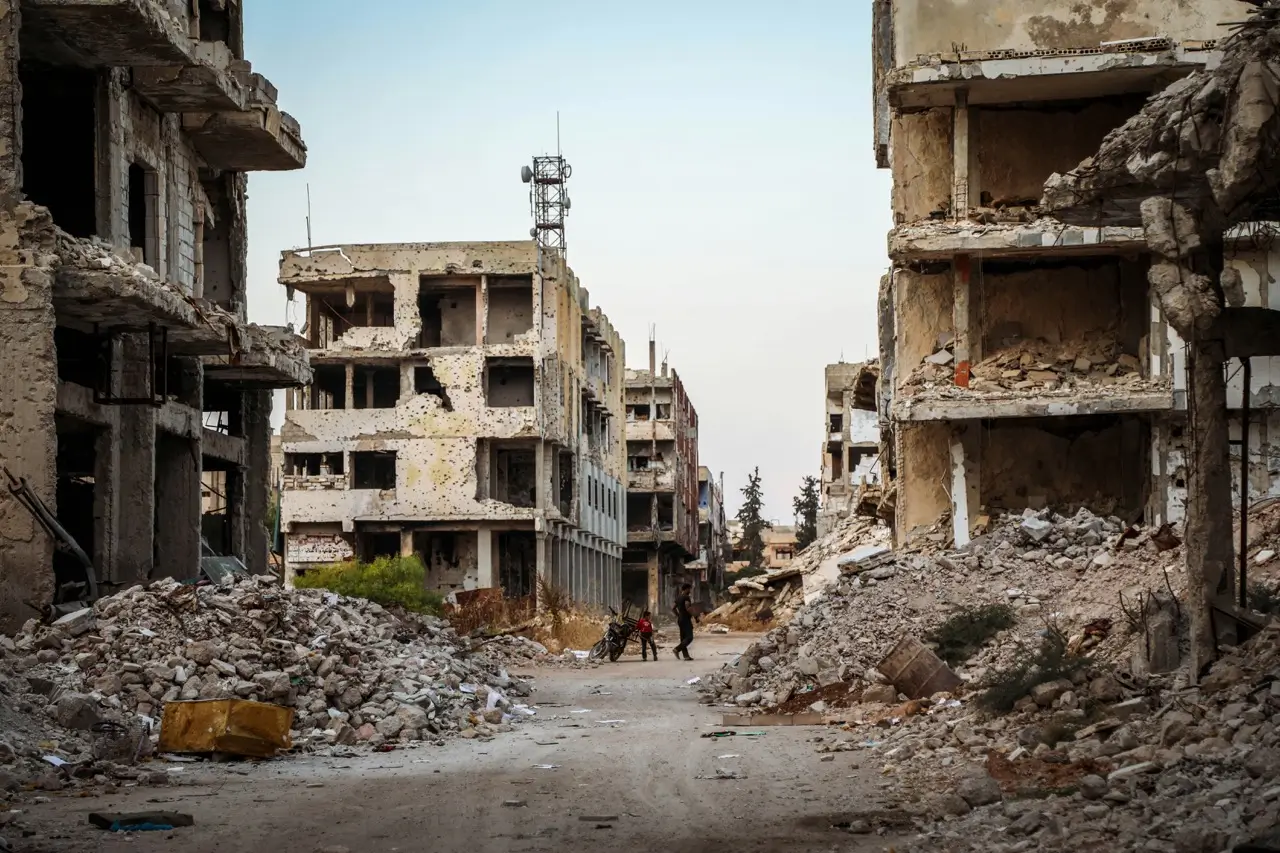
There’s a quiet, uncomfortable question that keeps resurfacing whenever headlines fill with missiles, retaliation, and escalation: Who actually wants this?
Not the ordinary American trying to make rent. Not the average Iranian worrying about sanctions and survival. Not families in Israel or across the region who want to live another normal day.
If you strip away the speeches, the flags, and the rhetoric, you find something almost unsettling – most people, everywhere, would choose peace if it were genuinely within their control.
And yet, wars happen.
So who are they really for?
The Illusion of Collective Will
We often hear phrases like “a country decided” or “a nation responded.”
But nations don’t decide, people in positions of power do. Governments act, militaries execute, and citizens absorb the consequences.
Democracy, where it exists, gives people a voice. But even in democratic systems, the leap from public opinion to military action is not always transparent or direct.
Decisions about war are often made quickly, under pressure, behind closed doors, and justified afterward.
The uncomfortable truth is that citizens vote for leaders, but they rarely vote for war itself.
War as a Decision, Not a Destiny
Wars are often framed as inevitable – “tensions reached a breaking point,” “conflict was unavoidable.” But that framing quietly removes accountability.
War is not weather. It doesn’t just happen. It is chosen.
It is chosen when diplomacy is abandoned too early.
It is chosen when pride outweighs compromise.
It is chosen when escalation becomes politically easier than restraint.
And once chosen, it becomes very hard to reverse.
The Myth of Winners
History books love winners. They list victories, treaties, and territorial gains. But zoom in on the human level, and the idea of a “winner” begins to collapse.
What does winning look like when cities are reduced to rubble?
What does victory mean to a family that has lost someone?
What is success in a generation raised in fear, displacement, and trauma?
Even the so-called winners carry invisible costs:
- Veterans dealing with lifelong psychological scars
- Economies burdened by military spending instead of development
- Societies hardened, polarized, and less trusting
Modern wars don’t end cleanly. They linger – in politics, in memory, in instability.
The Unequal Weight of War
If war is a shared tragedy, it is not an equally shared one.
The heaviest burden almost always falls on those who had the least to do with starting it:
- Workers living paycheck to paycheck
- Families in developing or vulnerable economies
- Youth whose futures shrink overnight
A missile doesn’t ask about your income level, but its consequences do. Inflation rises. Jobs disappear. Infrastructure collapses.
And suddenly, survival becomes harder for those who were already struggling.
War doesn’t just destroy buildings. It widens inequality.
The Ripple Effect: When War Reaches the Unrelated
War doesn’t stay where it starts. It spreads quietly through supply chains, energy markets, and everyday prices – until it reaches people who have nothing to do with the conflict.
Think about a motorcycle ride-share driver in Dhaka – the sole earner in his family. He’s not part of any geopolitical tension. He’s not choosing sides. But suddenly, fuel prices spike or shortages hit. Daily necessities become more expensive. His income stays the same, or even drops, while his costs rise.
Now his struggle isn’t abstract. It’s immediate:
- Fewer rides because people cut back
- Higher fuel costs are eating into already thin margins
- A family depending on him with no safety net
This is how modern war works. It travels invisibly. It taxes the poor first and hardest, even those thousands of kilometers away from any battlefield.
And that’s the part we often ignore: you don’t need to be in a war zone to be hurt by war.
The Youth Who Inherit the Consequences
There’s a cruel irony in how war operates across generations.
It is often decided by older institutions, justified through historical grievances, and then lived through by the young.
Young people are the ones who:
- Serve on the front lines
- Lose years of education and opportunity
- Rebuild what was destroyed
They are also the ones who keep societies functioning—working long hours, adapting, surviving, trying to move forward. And yet, they inherit problems they did not create.
The Fragility of Progress
Every society is the result of years, sometimes decades, of effort. Education systems, healthcare, infrastructure, culture – these are not built overnight.
War can undo them in weeks!
A single conflict can:
- Reverse economic progress
- Displace entire populations
- Interrupt generations of development
It’s like watching someone spend years building a house, only for it to be set on fire in a single night.
So, Who Is War For?
If it’s not for the people…
If it leaves both sides worse off…
If even the “winners” carry long-term losses…
Then the answer becomes harder to ignore.
Wars are for decisions made within systems of power, pressure, and competing interests. And those decisions often prioritize short-term goals over long-term human well-being.
The Final Thought
Wars don’t just happen on battlefields – they happen in economies, in homes, in futures that never get realized.
And maybe the most honest conclusion is this:
In modern times, war doesn’t produce winners.
It produces survivors, and even they carry the cost.
So the question remains, louder than ever:
If no one truly wins… why do we keep choosing it?
Photo by Mahmoud Sulaiman on Unsplash
